From Soundstages to Story-Stages: The Global Rise of Immersive Attractions and What It Means for UK Production Teams
If you work in UK media production, are you sensing two weather systems colliding?
On one side: film and high-end TV has regained momentum. Official stats from the BFI show UK film + HETV production spend hit £5.6bn in 2024 (up 31% on 2023), with HETV still doing most of the heavy lifting.
On the other: the “experience economy” is no longer a side quest. London is actively attracting investment into entertainment districts and immersive venues, with significant capital planned over the next decade. And major IP owners are treating immersive as a serious second (or third) revenue engine. A novelty pop-up no more.
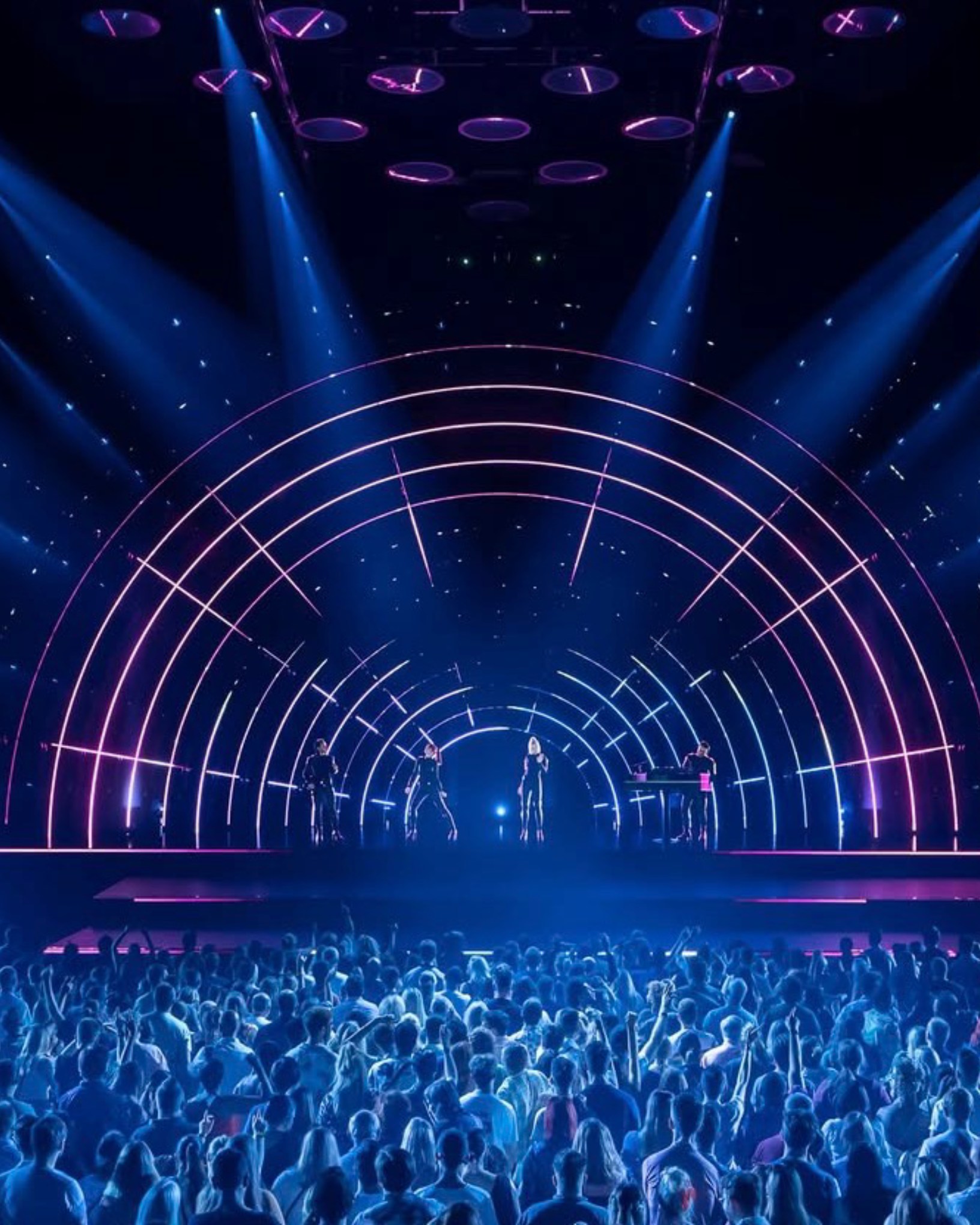
So, will production work in the UK (especially London) shift from film/TV toward immersive content for theme parks and new visitor attractions, here and abroad?
The simple answer: It’s not quite so black-and-white. We’re dabbling in the grey. How I like to think of it, is a “portfolio migration” rather than “industry replacement”. The same skills, but moving into new containers.

Elvis Evolution
So what are we talking about here? What is actually changing?
IP is being operationalised, not just screened.
Immersive is attractive because it turns passive audiences into on-site customers: tickets, food and beverage, merch, VIP tiers, repeat visits, and touring formats can all be expanded. This Financial Times article notes how major brands and media companies are building immersive shows and venues around well-known franchises, with an eye toward global franchising.
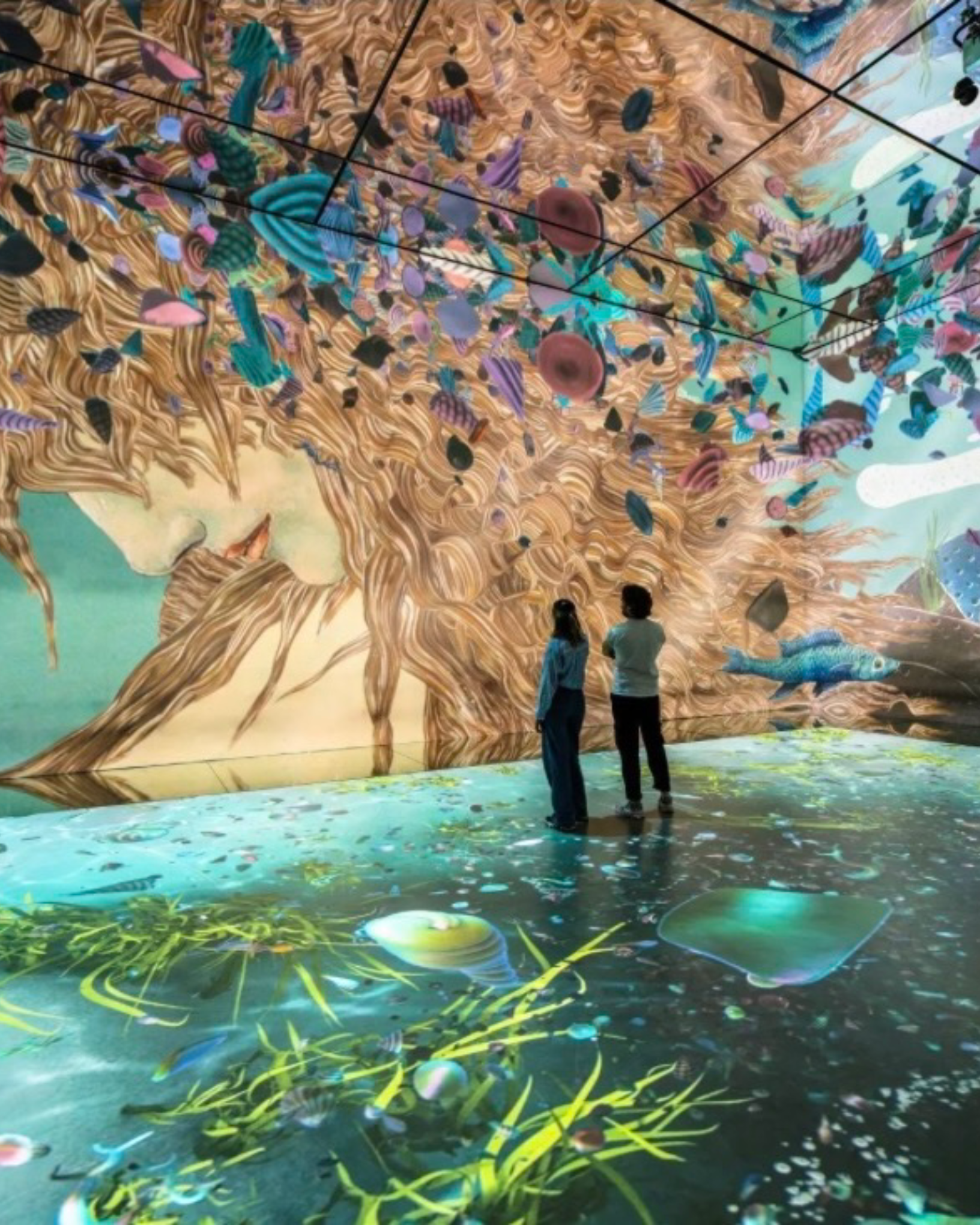
London has become a “venue city” for premium experiences.
New districts and purpose-built spaces are appearing because immersive needs footprint, infrastructure, and steady footfall.
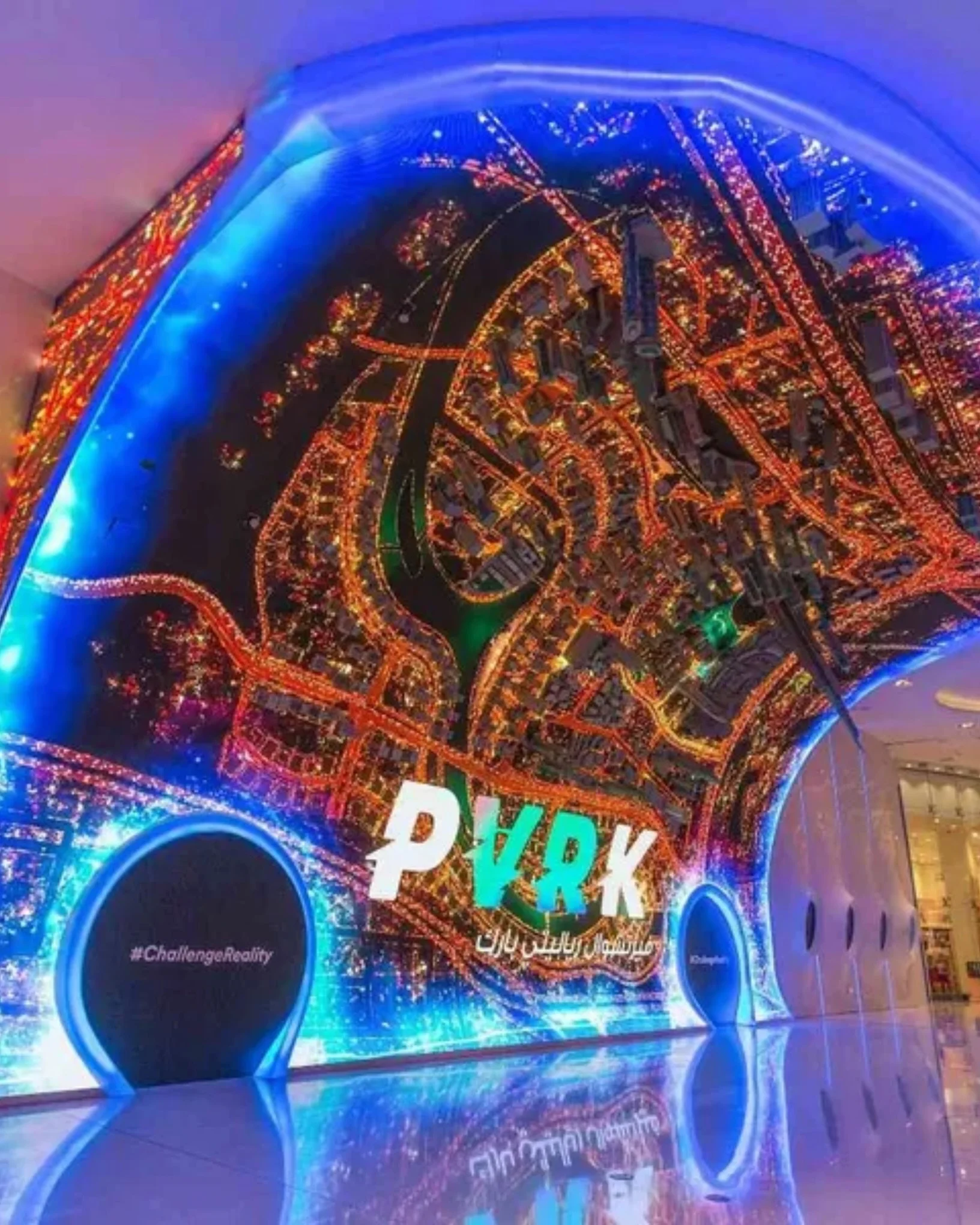
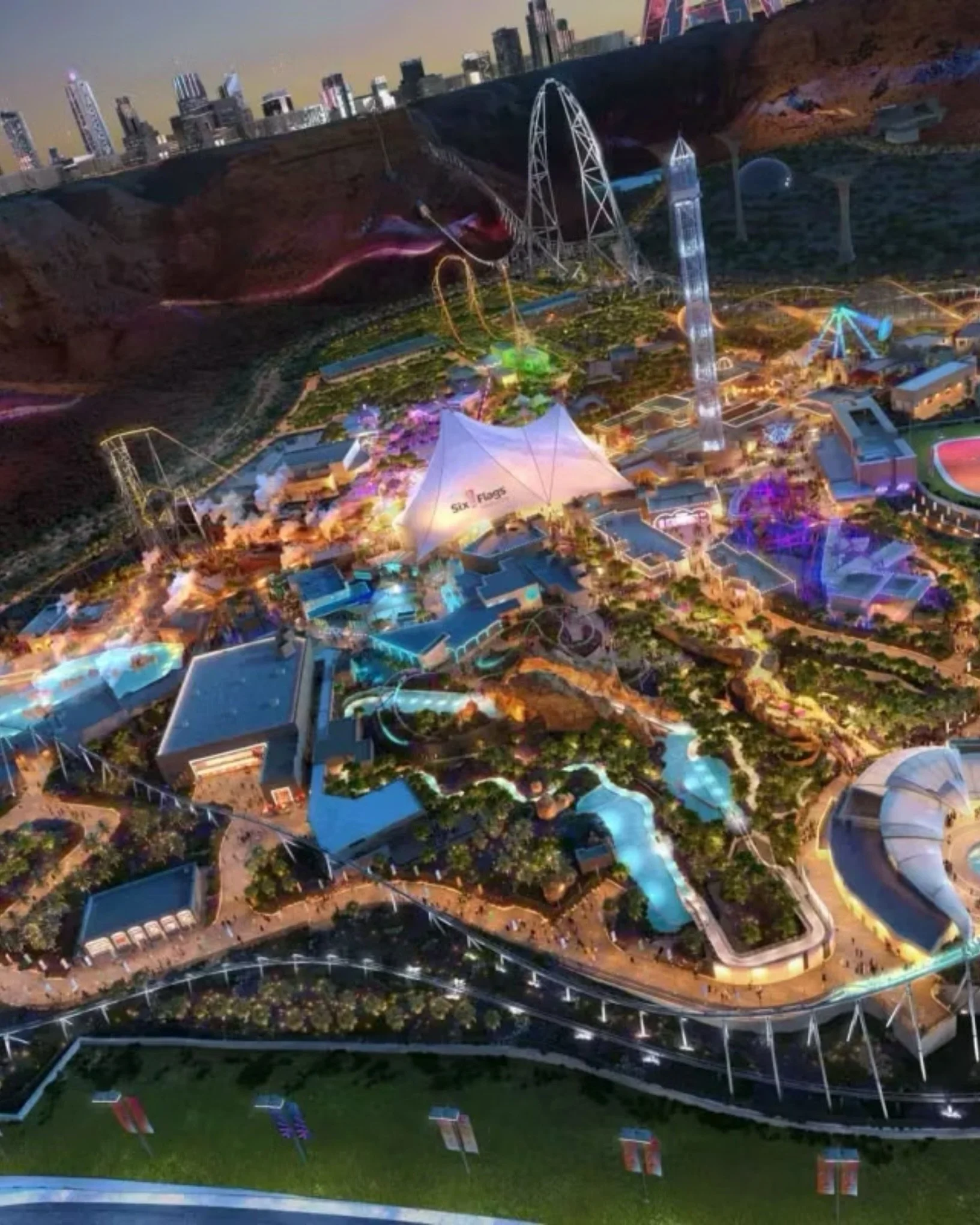
The Middle East is ordering entertainment at construction scale.
Where the UK often prototypes, the Gulf is efficient and producing at giga-project speed. A concrete example: Qiddiya City has positioned itself around major attractions including Six Flags, with public plans and partnership announcements tied to opening timelines and operations. Even if dates shift (and they often do), the direction feels clear: large-format visitor attractions are a strategic priority in this particular region. And they need content pipelines, show systems, media, and operations to match.
Immersive tech is becoming cheaper, better, and more modular.
VR/AR/MR, projection, real-time engines, AI-assisted pipelines, and sensor systems: the tools keep moving toward “deployable products”. Market forecasts vary wildly, but even conservative readings point to strong growth expectations for immersive entertainment.
How can Production Skills Evolve?
While working as Project Director on Europe’s largest immersive amusement attraction in London, I’ve been noticing something interesting. It’s not a lack of talent, but more a question of how existing skills translate across. Let’s explore the Props Department as a case study.
Many prop specialists come from film and theatre backgrounds. The craft is exceptional. But immersive attractions introduce a fundamental shift: visitors are invited to touch and the props must last years, not months. Props are no longer protected by distance, camera angles, or short run-times. They must withstand constant physical interaction, cleaning, wear and tear, and environmental variation over years of operation.
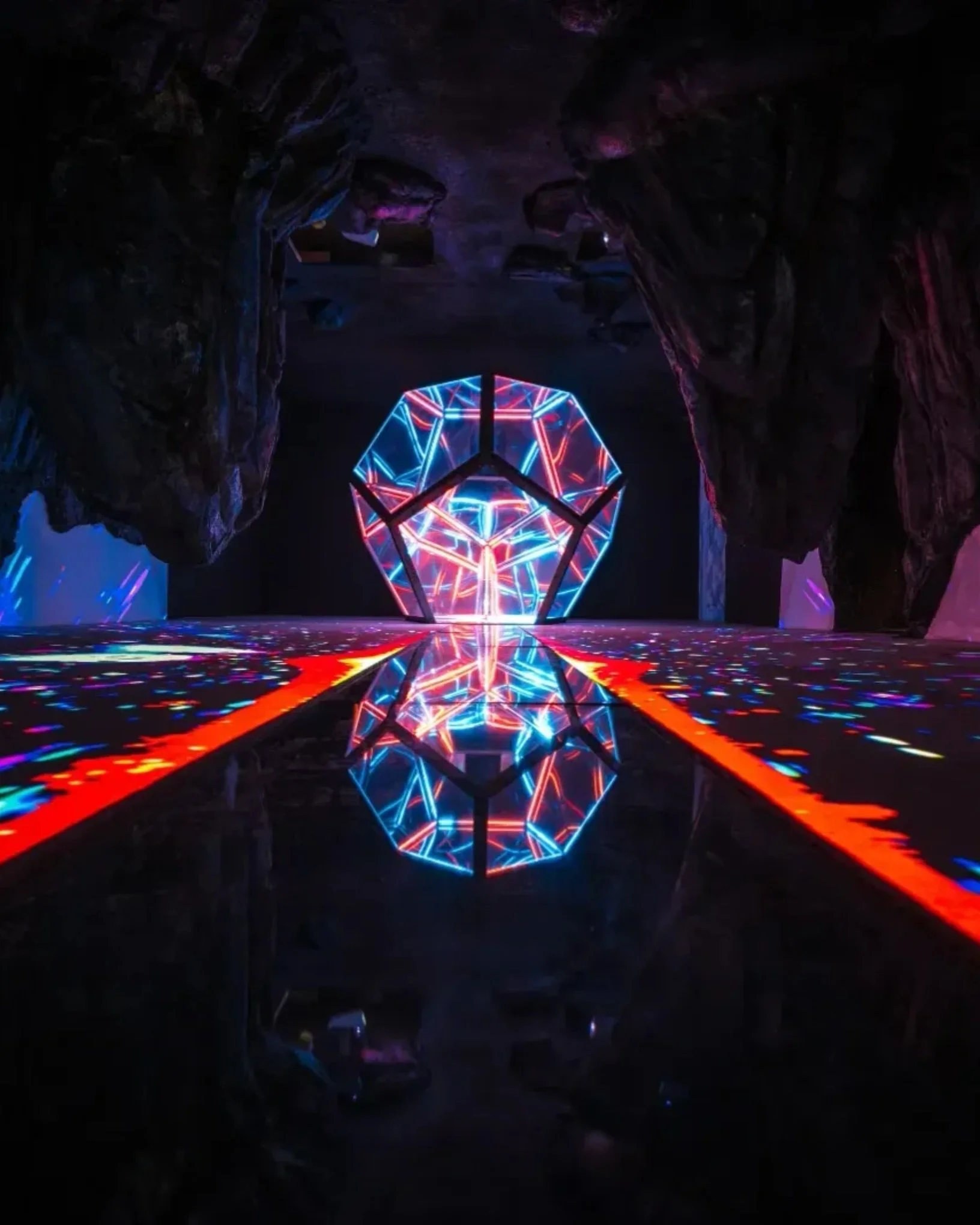
Wake The Tiger
This introduces requirements rarely addressed in traditional production:
tactile preservation
material ageing under repeated contact
repairability without breaking narrative
sustainability constraints that differ from theme park resin-heavy approaches.
What’s emerging is not a talent shortage, but a translation gap.
Film and theatre prop departments are invaluable, but immersive work requires a hybrid approach that blends craft with materials knowledge, operational foresight, and lifecycle thinking. The same pattern is appearing across departments: art direction, lighting, sound, and technical design all shift from “delivery” models to live, guest-facing systems.
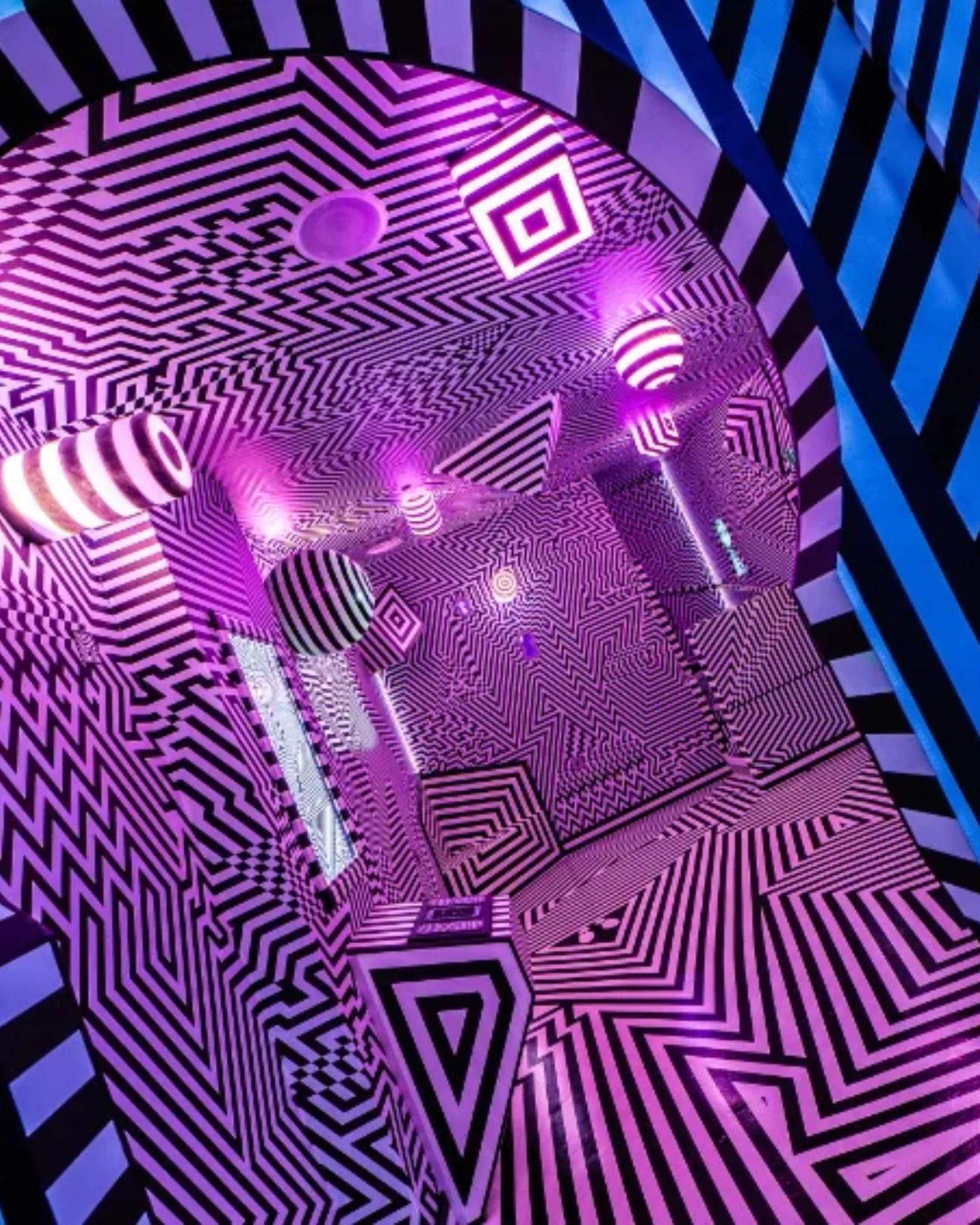
The core question becomes:
How does this hold up, safely and convincingly, every day, for years?
Skill transfer doesn’t mean retraining from scratch. It means expanding production thinking from making content to maintaining worlds.
This is where experienced production and project leaders become critical. Not just managing schedules, but translating between creative intent, physical reality, and long-term operations. As immersive attractions scale in the UK and internationally, the projects that succeed will be led by teams, who understand that immersive entertainment isn’t finished with the ribbon-cutting opening.
For production companies, the real shift isn’t technological. It’s human. The teams being built now will define whether the next wave of immersive projects feels manageable or overwhelming.
Having seen this transition play out in real time, it’s clear how much impact the right leadership can have before pressure arrives.